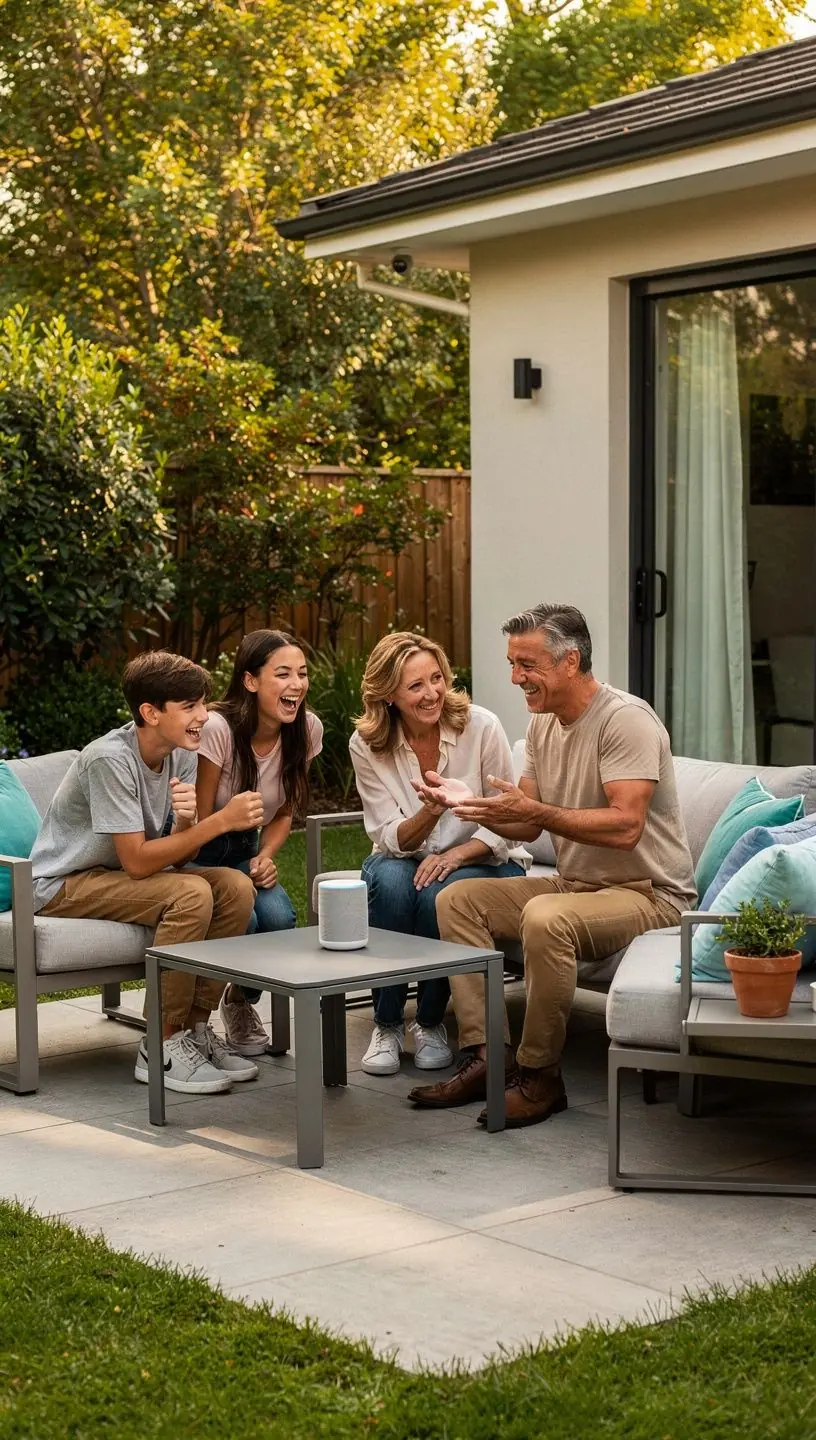
How to Use Smart Home Devices Effectively
Smart home technology has become increasingly accessible, allowing many individuals to enhance their daily lives. However, effectively integrating these devices requires understanding how to maximize their potential. This article provides insights and practical tips to help you use smart home devices in a way that can increase convenience, security, and energy efficiency.
Understanding Smart Home Devices
Smart home devices are designed to connect to the internet, enabling remote control and automation of various tasks. According to a report by the International Data Corporation, shipments of smart home devices are expected to grow significantly, indicating a growing trend towards smart technology in everyday life. Many users report that their smart devices often streamline tasks, improve security, and provide significant energy savings.

"Integrating smart technology into your home can lead to a 15-30% reduction in energy consumption, according to energy efficiency studies."
Choosing the Right Devices
Before diving into the world of smart home devices, it's essential to consider your specific needs and lifestyle. Here are some factors to keep in mind:
- Compatibility: Ensure that the devices you choose can work together seamlessly. Many users find that sticking to a single ecosystem, like Google Home or Amazon Alexa, simplifies integration.
- Functionality: Identify which tasks you want to automate or control. For example, smart lights can enhance security and energy savings, while smart thermostats can maintain comfort levels efficiently.
- Budget: Smart home devices come at various price points. Researching options can help you find reliable and effective solutions that fit your budget.
Setting Up Your Smart Home
The setup process for smart devices can vary, but here are general steps that most users find useful:
- Choose a central hub: Many smart home systems rely on a central hub (like a smart speaker) to manage device connectivity. This is often the first step in building a cohesive smart home.
- Connect devices: Follow the manufacturer's instructions for connecting each device to your hub and Wi-Fi network. This process typically takes 10-20 minutes per device.
- Customize settings: Once connected, customize your devices according to your preferences. This could include scheduling routines, adjusting automation settings, or setting voice commands.
Maximizing Efficiency and Security
After your devices are set up, consider the following tips to maximize their effectiveness:
- Regular updates: Keep your devices updated with the latest firmware to ensure security and performance. Many manufacturers recommend checking for updates every few months.
- Utilize automation: Set up routines that align with your daily schedule. For instance, smart lights can turn on automatically at sunset or your thermostat can lower the temperature at night.
- Monitor usage: Some devices offer analytics to help you track energy use and efficiency. Understanding this data can help you make informed decisions about your energy consumption.
Conclusion
Integrating smart home devices into your life can provide numerous benefits, from improved convenience to increased energy efficiency. However, it typically requires a thoughtful approach, including careful selection, setup, and ongoing management of these devices. By following the guidance outlined in this article, you can effectively enhance your living space with modern technology.